
Moore Piano Breaks Down Piano Pitch Drift and the Real-World Steps That Keep It Stable
Fort Wayne, United States - December 4, 2025 / Moore Piano /
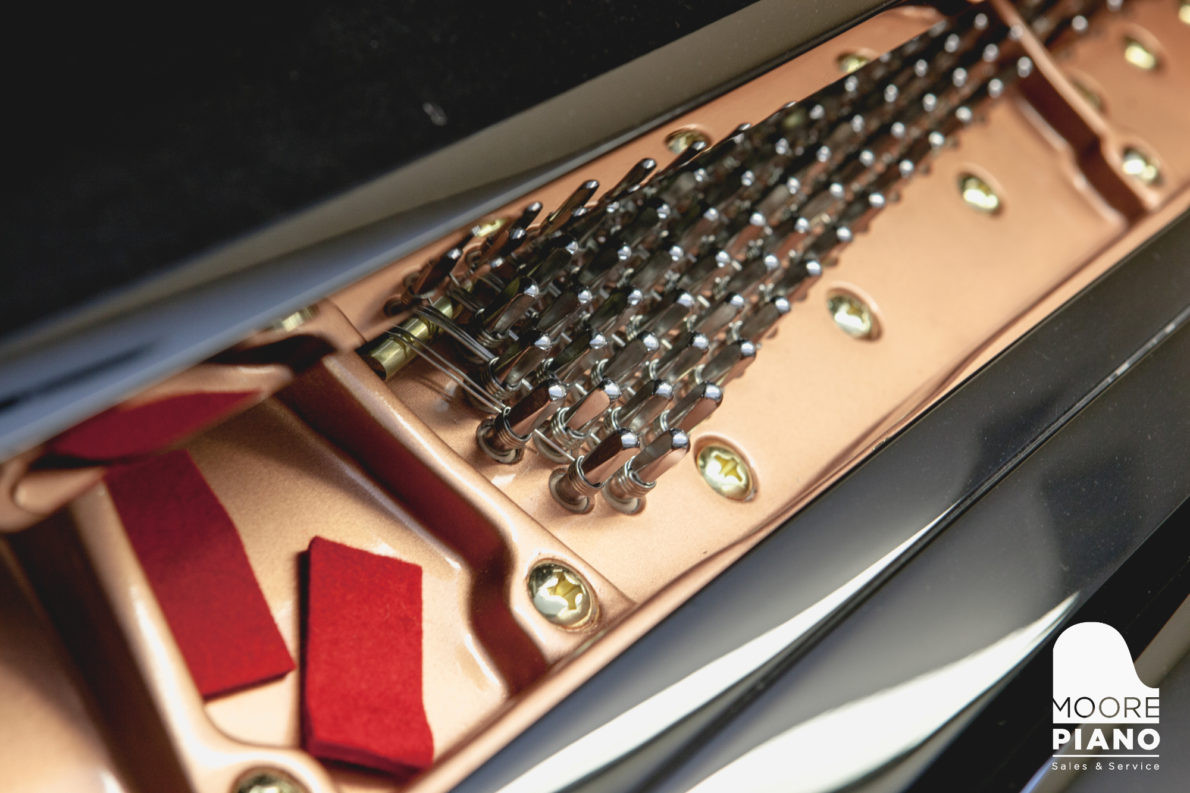
A piano can sound perfect on Sunday and strangely “off” by Friday. That shift is not bad luck or “old strings” alone. It is physics, materials, and environment working together. For piano owners who want dependable sound, the best starting point is regular service from a trusted piano tuner.
Pianos fall out of tune because they live under constant tension, react to weather, and depend on thousands of parts staying stable as one system. In Northeast Indiana and Northwest Ohio, seasonal humidity swings and indoor heating cycles can speed up that drift. The result is more than a mild annoyance. Pitch changes affect how music feels under the hands, how chords lock together, how students learn, and how confident a performer sounds.
This educational guide explains why tuning changes happen, what “normal” drift looks like, and which proven steps reduce the problem. The goal is simple – help piano owners protect their instrument, their time, and their music.
Why a Piano Naturally Drifts Out of Tune (Even When Nothing Is “Wrong”)
A modern piano carries enormous tension. Across the full set of strings, the combined pull is commonly measured in the tens of thousands of pounds. Each string is anchored, stretched over bridges, and held by tuning pins that grip tightly inside a wooden pinblock. Even when everything is healthy, tiny movements happen.
Here are the main reasons pitch drifts over time:
String tension equalizes slowly. Metal under high tension “settles” in microscopic ways after tuning and after heavy playing.
Wood moves with moisture. The soundboard, bridges, and pinblock are made of wood. Wood expands and contracts as humidity rises and falls.
Friction changes at contact points. Strings slide minutely over bearing points (like the bridge and agraffes). If friction “grabs” and then releases later, pitch can jump.
Temperature shifts matter. Heat changes string length slightly and also changes the moisture level in the air, which affects wood.
Playing style adds stress. Loud or frequent playing can speed up settling, especially after a fresh tuning or large seasonal change.
In short, a piano is designed to change. The craft is learning how to manage that change.
The Biggest Culprit: Humidity, Heating, and Seasonal Weather Swings
In NE Indiana and NW Ohio, pianos are often asked to handle cold winters, indoor heating, dry air, humid summers, and quick transitions in spring and fall. Each swing affects the piano’s core wooden structure.
What humidity does inside a piano
When humidity rises, wood absorbs moisture and swells. When humidity drops, wood releases moisture and shrinks. The soundboard is built with a crown (a gentle arch) that helps the piano project and sustain. That crown changes with moisture. As it changes, it alters pressure on the bridges, which changes string tension, which changes pitch.
Common seasonal tuning patterns
Many pianos go sharp or flat depending on how the soundboard moves and how the strings settle. The exact direction can vary by instrument and environment, but the pattern is consistent: large humidity shifts lead to larger tuning changes.
Practical placement risks
Even a great instrument struggles when placed near:
Exterior doors with frequent opening
Drafty windows
Heat registers and radiators
Direct sunlight
Fireplaces
Kitchens (steam and quick temperature changes)
Basements (dampness) or rooms with minimal climate control
A stable room beats a “perfect” piano location that sits by a vent.
How the Piano’s Design Creates “Tuning Pressure Points”
A piano is not one tuning point. It is a network of parts that all influence tension and stability. Understanding those pressure points helps owners spot issues early and choose solutions that last.
Tuning pins and the pinblock
Tuning pins are meant to hold firm in the pinblock. Over years, changes in wood and repeated tuning can reduce grip. When pin torque drops, tuning may not hold as well. This does not mean the piano is “done.” It means the technician needs to evaluate holding power and recommend a plan.
The bridge and bearing points
Strings press into the bridge and other bearing points. If pressure changes due to soundboard movement, pitch changes. If strings bind due to friction and then slip later, tuning feels unstable even after a good service visit.
String condition and stretching
Strings age. They can corrode, develop fatigue, and lose uniform elasticity. New strings also stretch more until they settle. Both scenarios influence stability.
The plate and structural stability
The cast iron plate is stable, but the wood around it is not always equally stable. A healthy piano is a balance between strong structure and responsive wood.
A thorough tuning visit looks at the whole system, not just a few notes that “sound off.”
What “Out of Tune” Really Means – And Why Some Pianos Sound Worse Than Others
Many owners notice something “not right” but cannot name it. The most common culprits are not mysterious.
Pitch drift vs. unisons
Most notes in the middle and upper ranges have two or three strings tuned to the same pitch. When those strings are not aligned, the note wobbles or sounds “chorus-like.” This is called unison instability, and it can make a piano seem wildly out of tune even if overall pitch is not far off.
Overall pitch level
A piano may have drifted so the whole instrument is lower than standard pitch (A440). Playing with other instruments, choir, or recorded tracks becomes frustrating. Students can also internalize the wrong pitch center over time.
Temperament and musical “fit”
Tuning is not only matching a pitch meter. It is setting interval relationships so the piano sounds balanced in every key. When the temperament is off, certain chords feel harsh or “sour” in ways that unison problems cannot explain.
Why “quick touch-ups” do not always fix it
If a piano has drifted a lot, a single pass can be limited by how tension shifts across the scale. Sometimes the stable solution is a planned approach rather than chasing a few bad notes.
Proven Tuning Solutions That Help a Piano Hold Longer
There is no magic product that makes a piano immune to change. But there are proven steps that reduce drift and protect tone.
1) Keep humidity stable year-round
The most effective solution is controlling the environment:
Aim for consistent indoor humidity (many owners target a mid-range level rather than extremes).
Use a simple room hygrometer to track changes.
In winter, consider humidification. In summer, consider dehumidification if the room stays muggy.
Stability matters more than chasing an exact number.
2) Use smart placement and airflow control
Small moves can help:
Keep the piano away from vents and radiators.
Avoid direct sun on the case and soundboard area.
Reduce drafts from doors and windows.
If a room is rarely used and poorly controlled, consider relocating the instrument.
3) Tune on a schedule that matches real life
Many home pianos do well with regular seasonal tuning. Performance instruments, teaching studios, and frequently played pianos often need more frequent service to stay dependable.
A practical scheduling idea:
Twice per year for typical homes, aligned with major seasonal changes
Three or more times per year for heavy use, teaching, or performance settings
More frequent visits after a move, major climate change, or repair work
4) Address mechanical issues that mimic tuning problems
Sometimes “out of tune” is really inconsistent touch and voicing, worn felt, or action regulation problems that make tone uneven from note to note. Correcting these issues can make the piano sound cleaner and more stable, even before the next tuning.
5) Avoid DIY tension changes
Turning tuning pins without training can cause:
Broken strings
Pinblock damage
Unstable tuning due to poor pin-setting technique
Higher repair costs later
A piano is forgiving in music, not forgiving in mechanics.
For owners who want dependable local help, a piano tuner with real regional experience can make the difference between a piano that “never stays” and one that holds strong through the season.
Special Situations: Moves, Long Neglect, New Installs, and Performance Prep
Certain moments almost always trigger tuning instability. Knowing them helps owners plan ahead.
After a piano move
Moving changes temperature, humidity, and physical stress on the instrument. Even careful movers cannot prevent these shifts. A piano often needs time to acclimate, then tuning.
A practical approach:
Let the piano settle in its new environment.
Plan for tuning after acclimation.
If the piano was already overdue, it may need more than one pass to reach stable, healthy tension.
After years without tuning
Neglected pianos can drift far from standard pitch. Bringing the pitch back safely may require a pitch raise approach rather than a single tuning. This protects structural balance and improves stability.
Before an important event or performance
A piano can be tuned and still change if the environment shifts a day later. For events, it helps to tune close to the performance window, while still allowing enough time to confirm room conditions and access.
New pianos and newly installed strings
New materials settle. Fresh strings stretch. New pianos can require more frequent tuning early on until they stabilize.
How to Tell It Is Time for Tuning (Without Guessing)
Some signs are obvious. Others are subtle but important, especially for students and serious players.
Common indicators:
Chords sound “beating” or wavy, especially in the middle range
Octaves do not feel clean or locked
A once-favorite piece now sounds tense or dull
The piano sounds fine alone but clashes with recordings or other instruments
Teachers notice students correcting pitch by ear in odd ways
Seasonal change just happened and the piano has not been serviced since before it
A gentle rule: if the piano is used for learning or performance, tuning is part of caring for the instrument, not a luxury.
What Sets a Reliable Technician Apart (And Why Results Vary So Much)
Two tunings can look similar on paper, yet feel very different in the room. The difference often comes down to training, technique, and diagnostic skill.
A dependable technician focuses on:
Stability, not just “in tune right now.” Setting pins correctly and managing tension changes across the scale.
Consistent listening. Unisons, temperament, and tonal balance are checked by ear, not only by device.
Respect for the instrument’s condition. Recommendations match the piano’s age, use, and goals.
Clear guidance. Owners learn what to expect in their environment and how to maintain stability.
Moore Piano has built its reputation on honesty, integrity, and the Golden Rule. The business serves major regional venues and thousands of homes, tuning and caring for pianos of all sizes and types, including player instruments and digital systems where applicable. The focus stays on what owners value most: a piano that performs at its peak and stays enjoyable to play.
For more on services and approach, visit piano tuner resources and information.
Simple Maintenance Habits That Protect Tuning Between Visits
These small habits help tuning results last:
Keep the room as consistent as possible day to day.
Avoid opening windows near the piano during major humidity swings.
Close lids when not in use if sunlight or airflow is intense.
Dust gently around the case and keys, avoiding moisture and sprays.
Use the piano regularly. Consistent use can be healthier than long idle periods in unpredictable rooms.
If a humidifier or dehumidifier is used, monitor with a hygrometer so changes stay gradual.
A piano does best when its environment changes slowly.

Contact Information:
Moore Piano
5730 Industrial Rd
Fort Wayne, IN 46825
United States
Ron Moore
(260) 823-2290
https://www.moorepiano.com


